
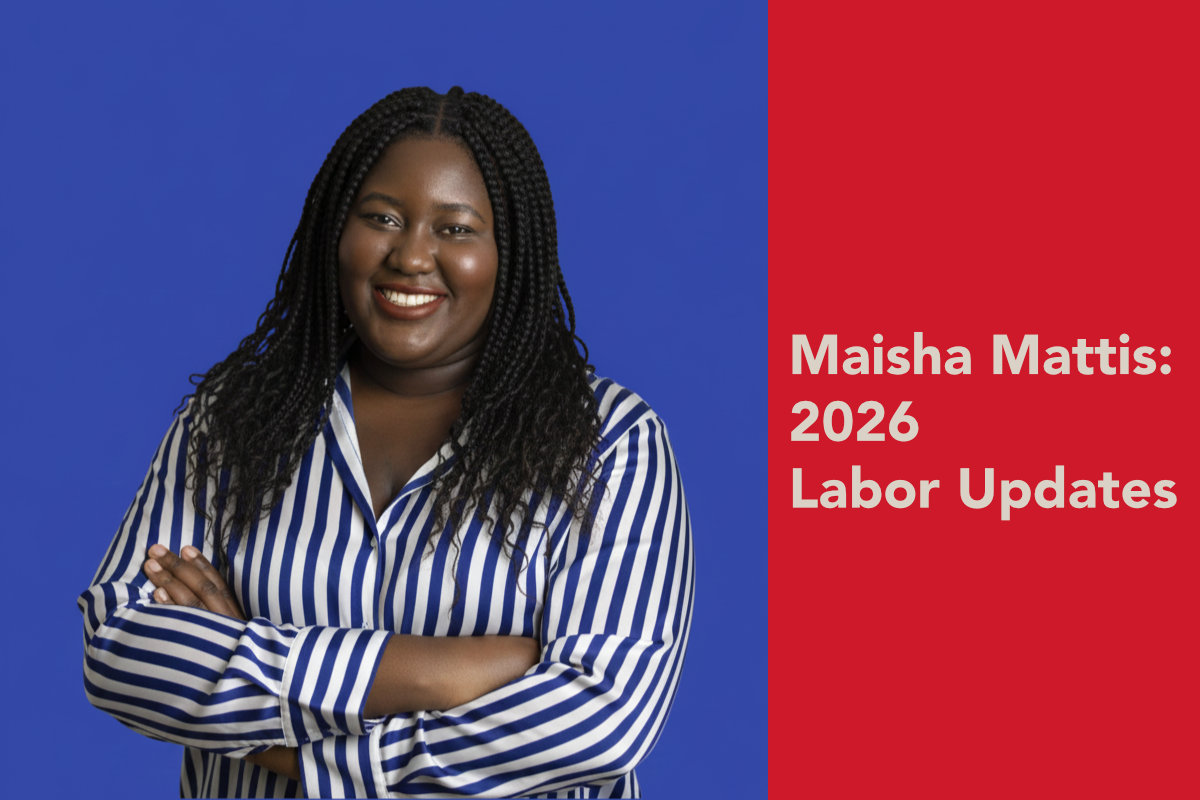
The year 2026 brings a series of legal and administrative adjustments that, although not widely covered in the media, have a direct impact on payroll management, company cash flow, and legal risks. To better understand these changes and prevent potential liabilities, we spoke with Maisha Mattis Byfield, Associate Attorney at ERP Lawyers and expert in labor law. Here is her professional insight and key recommendations.
What changes are coming to IVM social security contributions in 2026?
Starting January 1, 2026, the Costa Rican Social Security Fund (CCSS) will increase contributions to the Disability, Old Age, and Death (IVM) program. The employer’s contribution will rise to 5.58%, and the employee’s contribution to 4.33%.
“This represents a direct increase in the labor cost per employee. Moreover, if payroll is not updated correctly from January onward, it can trigger automatic surcharges and audits,” says Attorney Mattis.
How do the new minimum wages affect companies?
As of January 1, 2026, mandatory wage increases apply as follows:
- General private sector: +1.63%
- Domestic workers: +3.96%
- Specialized occupations: +2.18%
- Mid-level technicians: +2.50%
“The biggest risk lies not only in the wage amount, but in the proper classification of each position. Many payroll issues arise from misclassifying workers into categories like TONC, TOC, or TOE. These mistakes can result in legal consequences,” warns the expert.
What should companies know about the updated income tax brackets?
While these deductions are applied automatically in payroll systems, they must be reviewed carefully. The 2026 brackets are:
- Up to ₡918,000: exempt
- ₡918,000 to ₡1,347,000: 10%
- ₡1,347,000 to ₡2,364,000: 15%
- ₡2,364,000 to ₡4,727,000: 20%
- Above ₡4,727,000: 25%
“Although automated, employers are responsible for ensuring the accuracy of these withholdings to avoid penalties,” Mattis reminds us.
What risks do companies face if they fail to comply in time?
“Errors in applying these new measures can lead to salary discrepancies, automatic fines, and even government audits. That’s why HR departments must update their processes now,” the specialist concludes.
What is your recommendation to HR teams in light of these changes?
“The key is not to wait until problems arise. These reforms, though technical, have an immediate impact on daily HR operations. I recommend reviewing salary structures, payroll systems, and job classifications from a preventive legal perspective,” suggests Attorney Mattis.
Need support implementing these changes correctly?
If your company has questions or wants to ensure proper compliance with the 2026 updates, you can schedule a personalized consultation with Attorney Maisha Mattis Byfield. This session will help clarify specific concerns, assess legal risks, and strengthen your internal HR procedures.
📩 Contact us now to book your appointment.